orbit
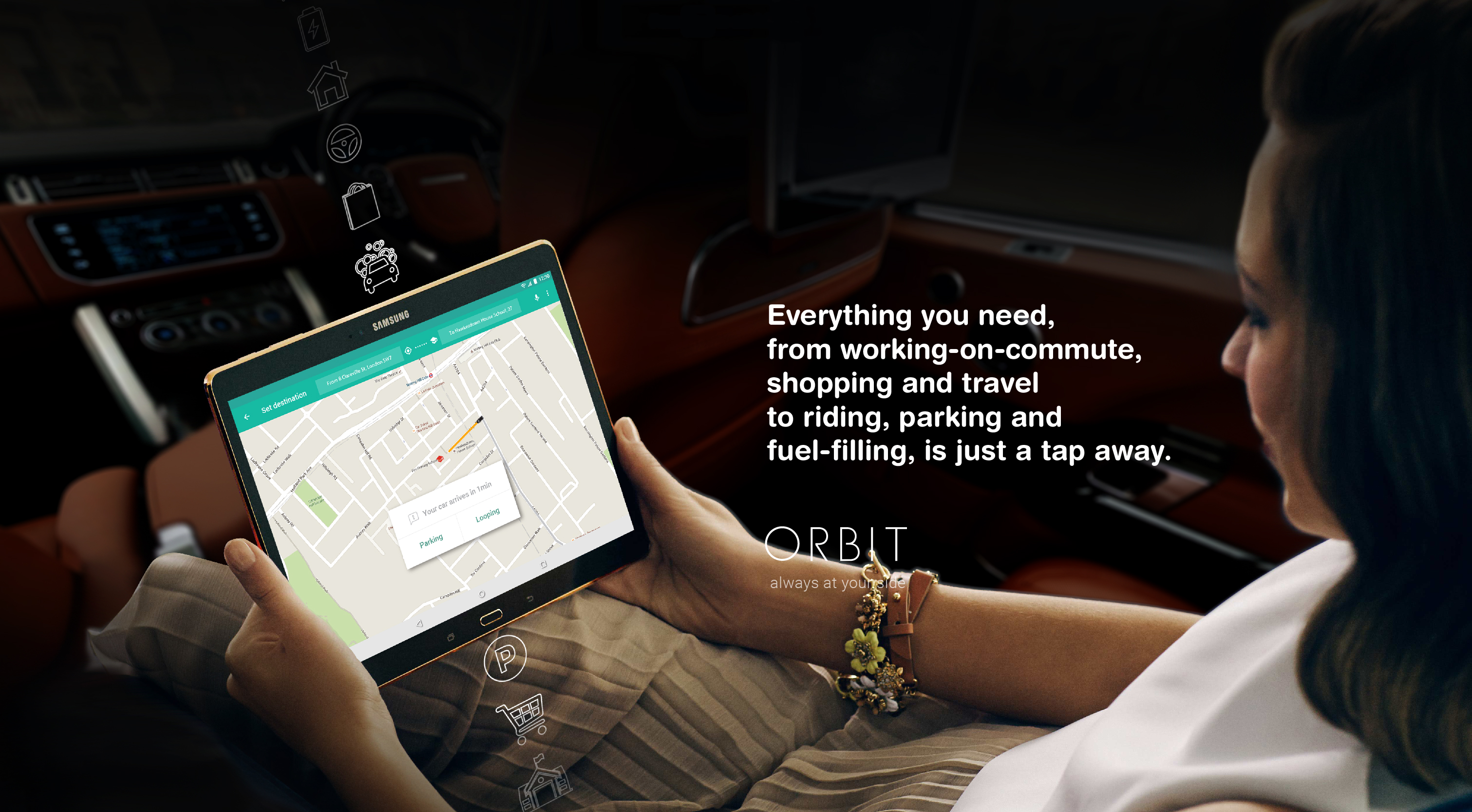
ORBIT envisions a set of services – powered by Samsung, for driverless cars by 2030 in order to empower user’s daily life. It offers four major opportunities for users: capability, authenticity, affordability and accessibility, according to users’ primary needs and desires – from working-on-commute, shopping and travel to riding, parking and fuel-filling, everything is just a tap away.
CONCEPT OF MOBILITY IS IN SHIFT
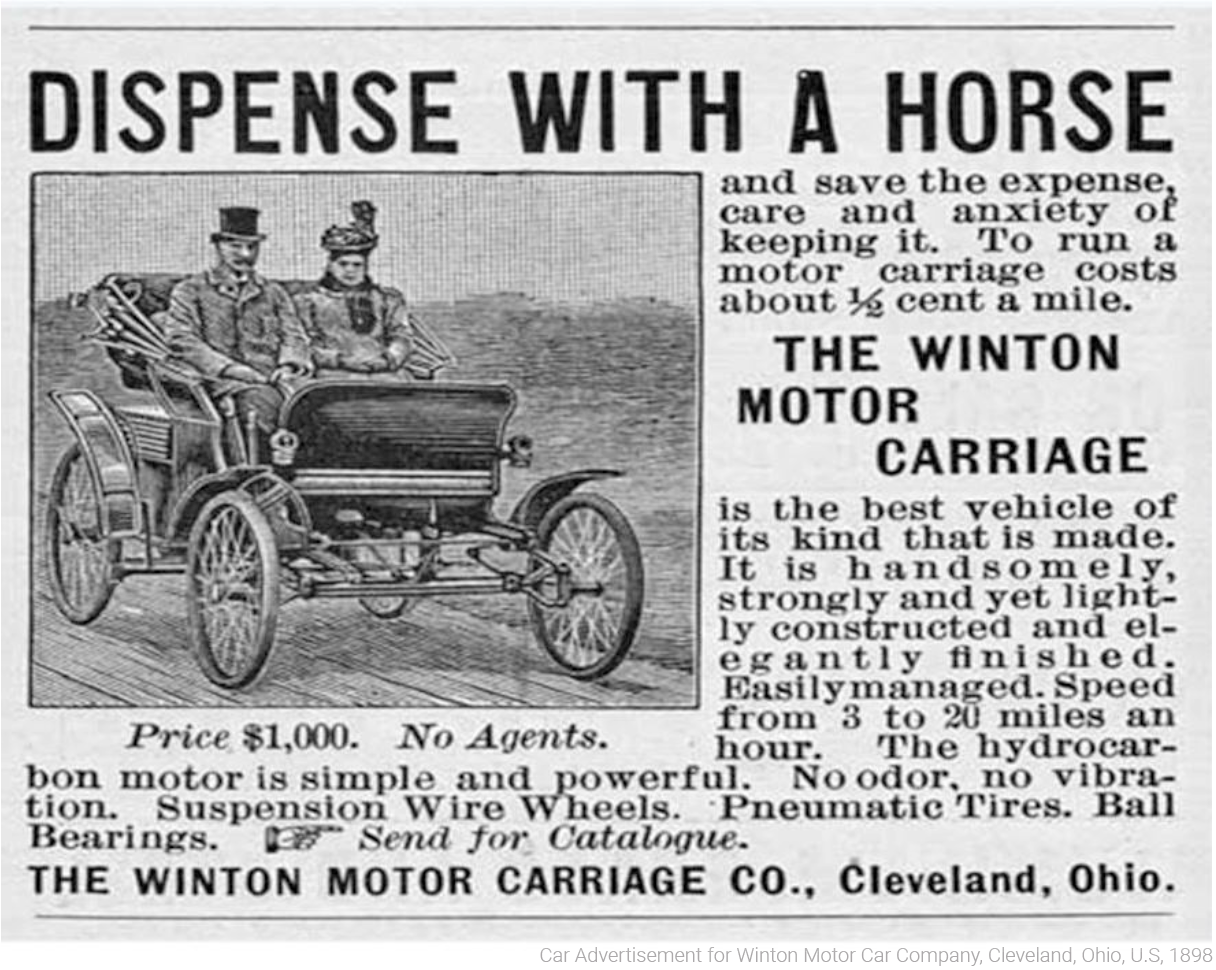
More than a hundred years ago, cars replaced horses. From the Ford Model T, rubber-tyred vehicle navigated by a human driver has remained over a century. Driverless cars are coming, and they are sooner than many people expect. It will be a significant step forward in automotive history and to the quality of life and human freedom. Those who can’t currently drive will gain the access to the open road and it will change the lives of many underprivileged people in mobility.
ROAD SAFETY IS ALSO ON SHIFT
Currently more than 9 in 10 of today’s accidents have an element of human error – according to the National Highway Traffic Safety Administration (NHTSA). Nearly 1.3 million people die in road crashes each year, on average 3,300 a day. It is equivalent to a number of residents in Prague disappearing every year, and additional 50 million are injured or disabled. The great hope for driverless cars is that they can eliminate those deaths, transform road safety.
The great hope and need for driverless cars are that they can eliminate those deaths, transform road safety. For instance, Volvo claimed that no one will be killed or seriously injured by one of its new cars* and the company will accept full liability for accidents involving its driverless cars, making it ‘one of the first’ companies to do so**.
HORSE TO HORSELESS CARRIAGE, HORSELESS CARRIAGE TO DRIVERLESS CAR
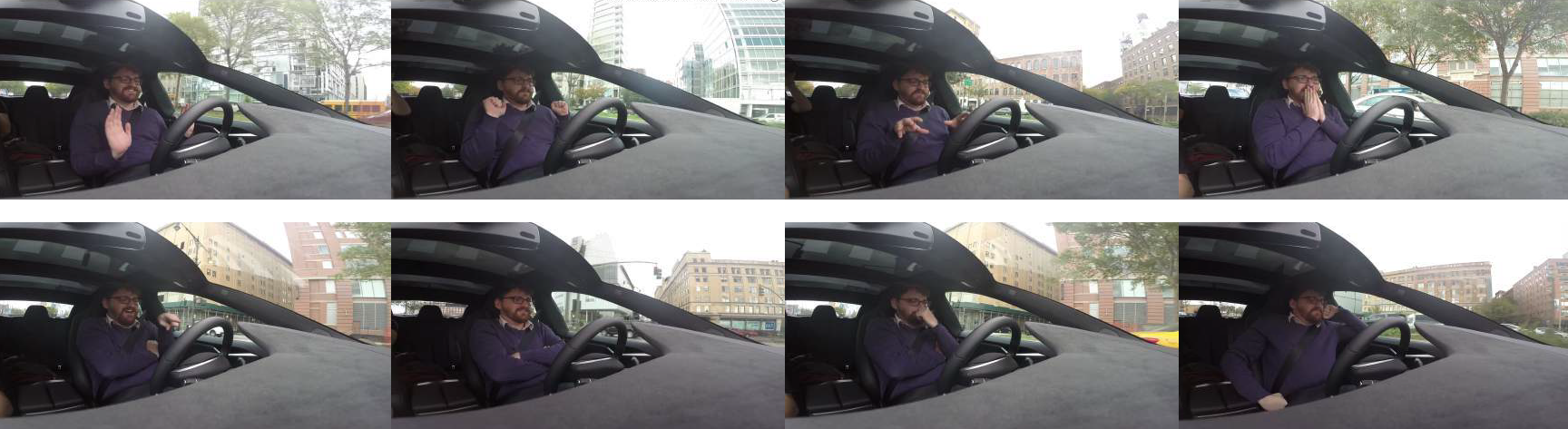
One of the most significant challenges for the driverless car industry is a people’s mindset that percieving driverless car unreliable. However, the project Orbit based on a projection that many people are likely to find a value of a driverless car, and gradually accept technology as the user below, who experienced Tesla AutoPilot program for the first time, get used to it shortly. It also aligns with many experts’ anticipation including BCG, that the sales of driverless vehicles will take nearly 10% of global vehicle sales by 2035. And one of leading tech giant, Samsung wants to be ready to empower users’ lifestyle.
FUTURE USERS & PROSPECTIVE MOBILITY PATTERNS
Four user groups have been identified according to four mobility modes that represent different values in mobility and purposes based on the outcome of stakeholder and countless user interview, workshops. They show different pain points in mobility, i.e., shortage of time, unreliability, restriction and financial barrier – which will be turned in to four values; capability, authenticity, autonomy, and affordability.
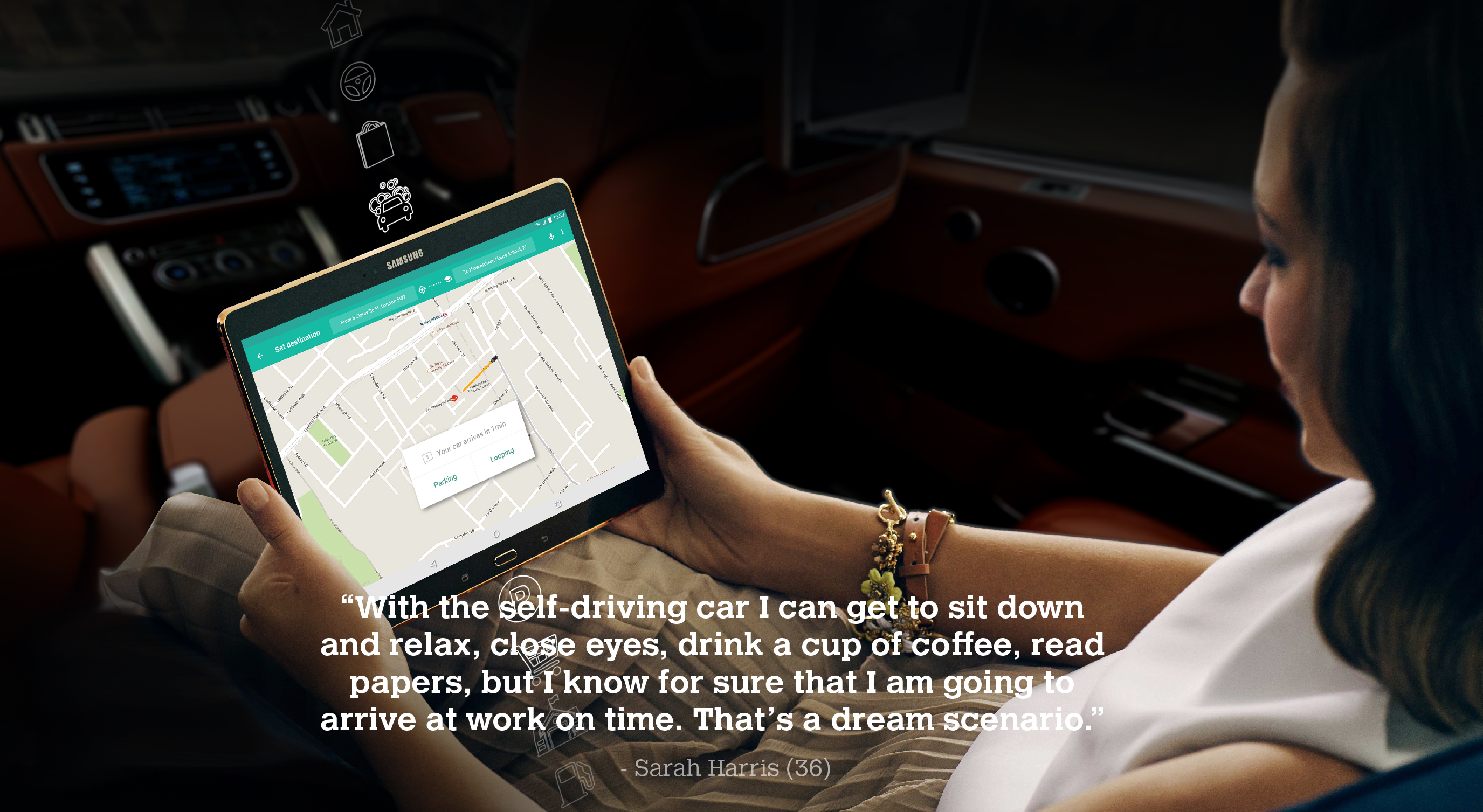
Weary Rusher
Sarah Harris (36)
“I have one life and I refuse to waste it on my commute. I know the frustration of sitting in traffic and having to constantly call my job and say I’m running late.”
People categorised in this group can be described as Weary Rusher. They use cars for commute and daily errands. Many users in the group live in suburb due to skyrocketing housing prices which makes them commuting around two hours a day. They have busy and unpredictable life, many of them feel they have lack of control in their life and shortage of time.
Some statistics give a glimpse of their life, for instance, in the UK, almost 70 percent of the workforce commuted to work by car during peak times,* with the average British driver spending 124 hours stuck in gridlock annually, average 98 minutes daily.** It imposes a negative impact to both individuals and the society as well as the environment.
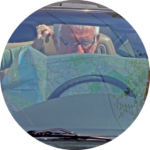
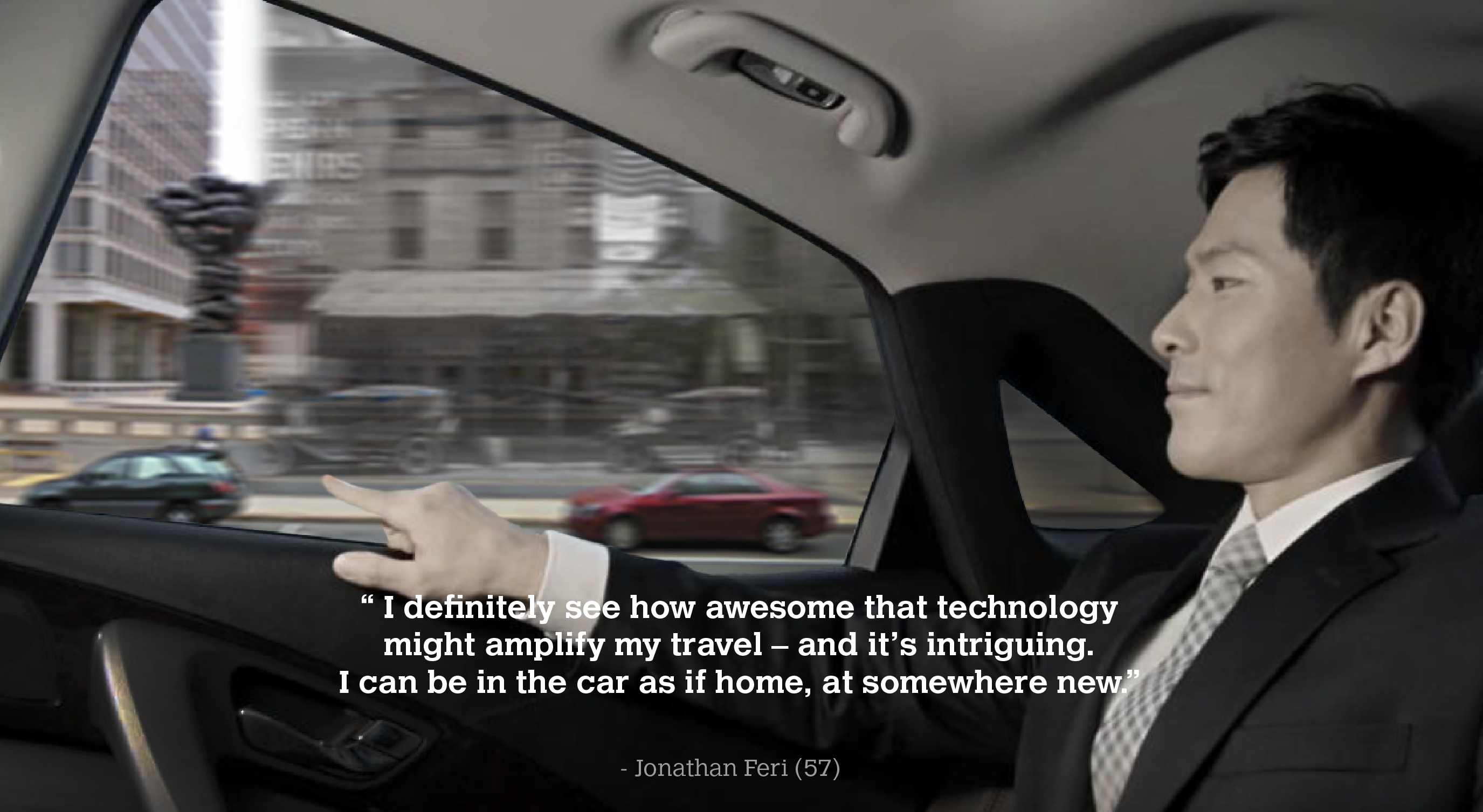
City Voyager
Jonathan Feri (57)
“Would love to enjoy the city and street, but I know I’ll end up with staring GPS all the time. But it’s far better than using public transportation, especially when you are with your family and luggage.”
People in this group uses the car for leisure and tour. They tend to value quality experience than expenditure. Many users in the group hire cars when they travel – as sometimes hiring a car is the best way to getting around – though they do not want to drive a car in unfamiliar places. They find driving in a new traffic environment is pretty demanding.
Life of Pi
Jeremy Ian (76)
“Day by day, decrease in mobility in my life is accelerated. I don’t want my ageing impacts on the mobility.”
Name of this group and travel modes took a name after the famous film; Life of Pi. Users in the group have faced many restrictions in independent travels which might end up with some unwanted social isolations as a result. Mobility becomes most common disability among older people.*
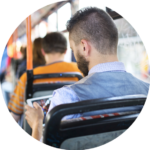
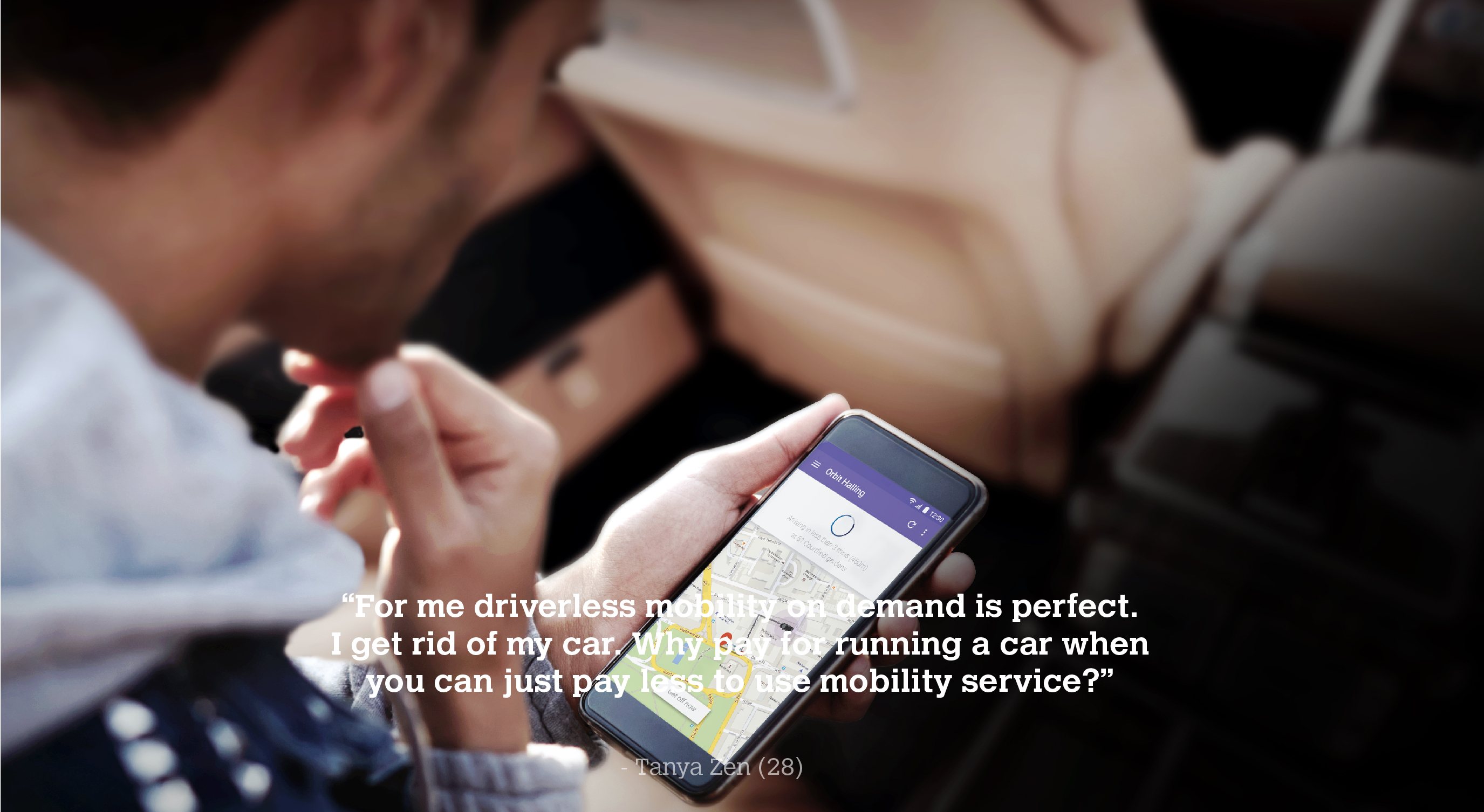
Urban Hopper
Tanya Zen (28)
“Taxi-hailing service, Uber, is so convenient. How did I not start using it sooner? 44 trips a week including Uber pool becomes a new routine.”
People categorised to Urban Hopper uses on-demand mobility, e.g. Uber, Gett, Lyft, MyTaxi in city areas. Many of them are familiar with multiple travel modes for efficient and practical travel. Functionality and financial values in travel are crucial. Some users cannot afford a car and some does not see the need and value of owning a car.

Capability
Orbit reduces many tasks from the prime purpose of cars today, e.g., fuel-charging, parking, car-washing and MOT’s. Moreover, Orbit supports a ‘work-mobility’ scheme in collaboration with companies in city centres whose employees suffer from long commutes. This service creates an office environment so users can work with colleagues as if they are at the office.
Authenticity
For users who seek an authentic experience, particularly for leisure, Orbit provides many features to meet subtle needs. To enhance experiences, this service suggests thematic routes according to users’ preferences. It amplifies the travel experience through augmented reality, overlaying interesting information over artefacts.
Accessibility
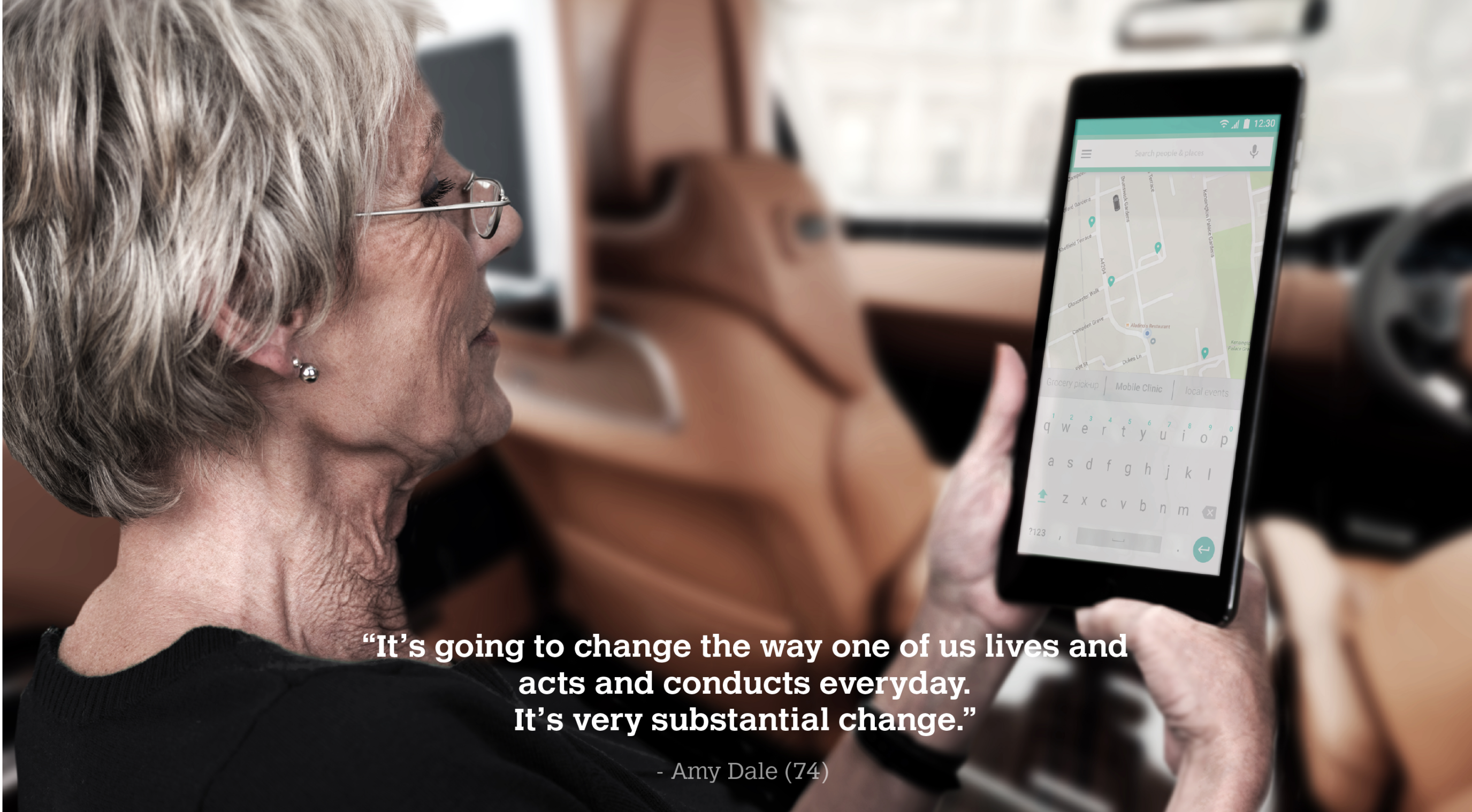
Those who can’t currently drive will also gain access to the open road through this service by receiving a range of information, goods and services that enable them to be autonomous. Orbit’s service and platform creates an ecosystem that brings mutual benefits to users, service partners and service providers.
Affordability
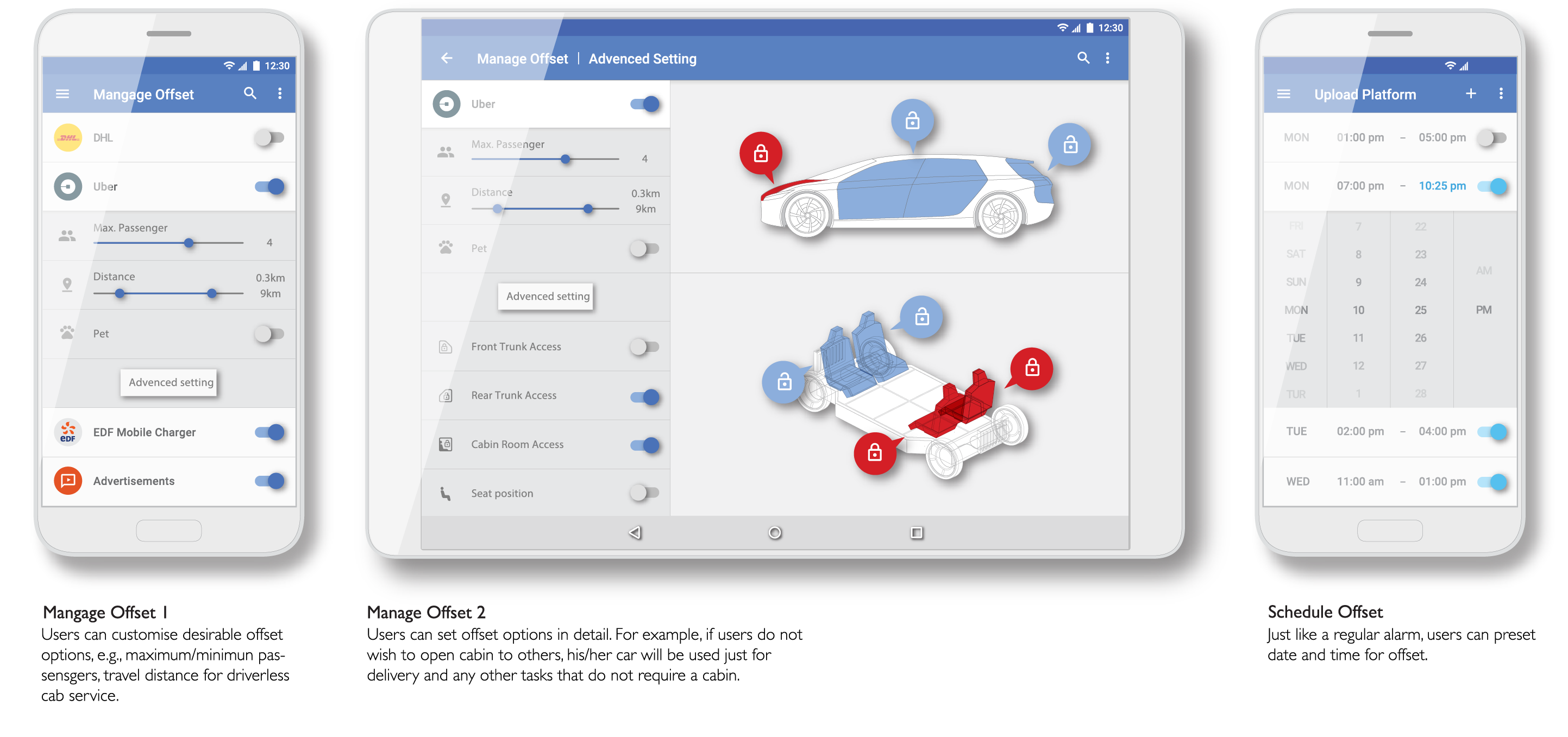
Orbit also makes it more affordable to run a car as users can register their vehicle on to a platform for others to access and use, thus offsetting the costs of owning a car. Registered cars become flexible assets in the city where companies and people can utilise it for different purposes, e.g. cabs, deliveries, mobile fuel trades.
GLIMPSE OF A DAY WITH ORBIT
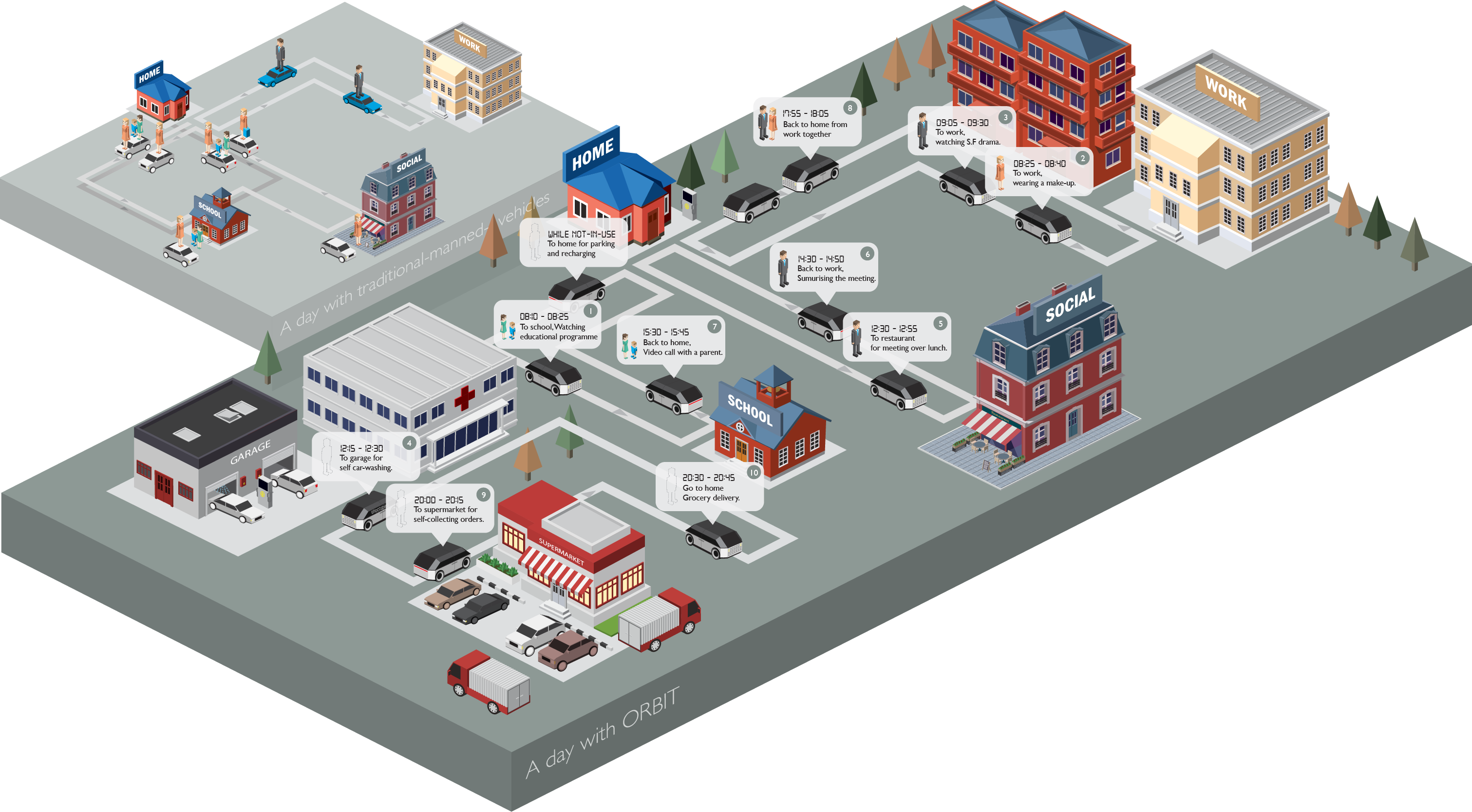
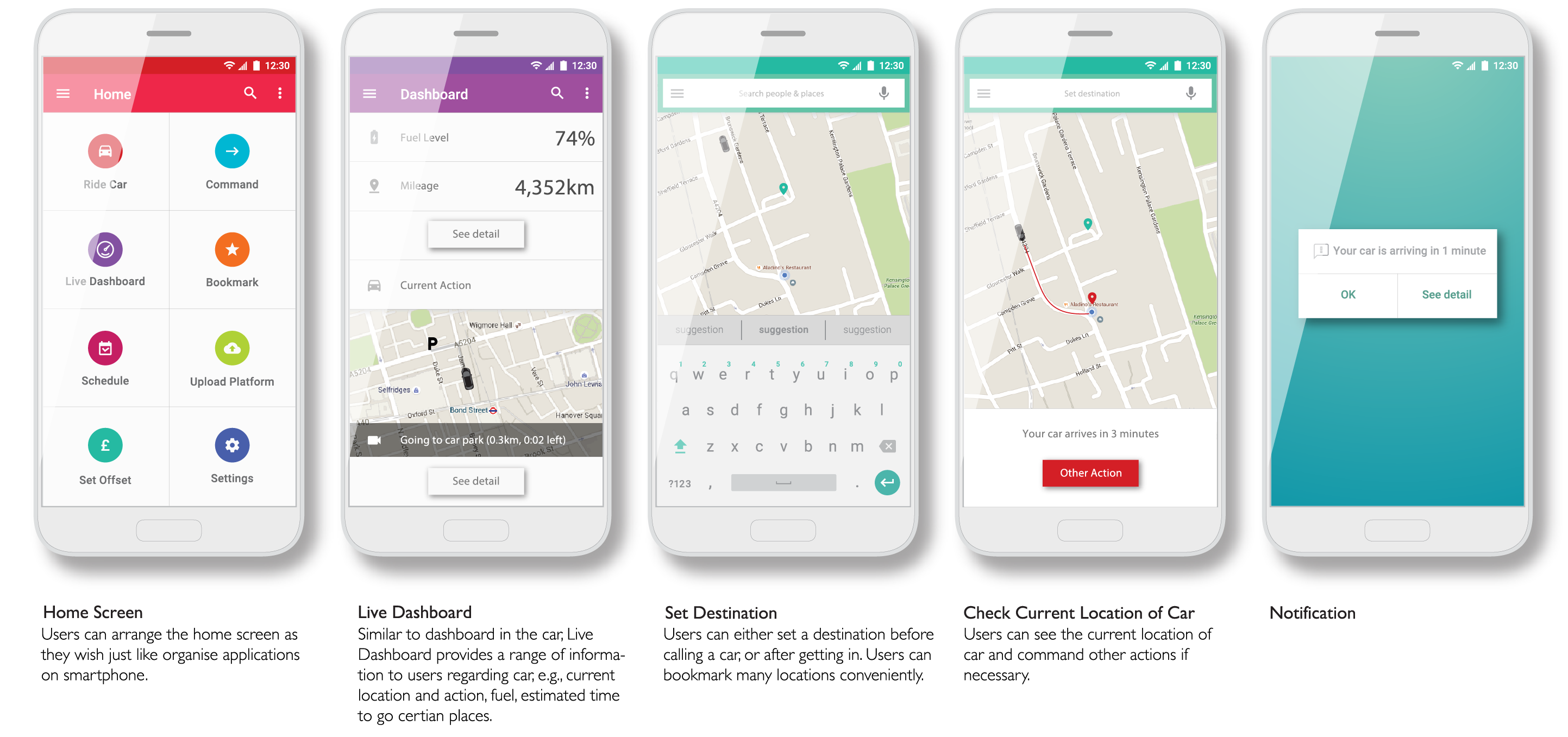
From the early morning to the late night, the mobility service is ready to empower users’ lifestyle, with just a few tabs away. Users can utilise their time efficiently on what they value more. The service takes care of all hassles, such as maintenance, parking, washing, fuel-filling, etc. Moreover, the service supports many channels that users can offset their cost to buy, lease or run a car. For example, users can upload their cars to the platform like Uber Driverless, and get profits from it.
ORBIT PLATFORM
SERVICE STRUCTURE & ECOSYSTEM
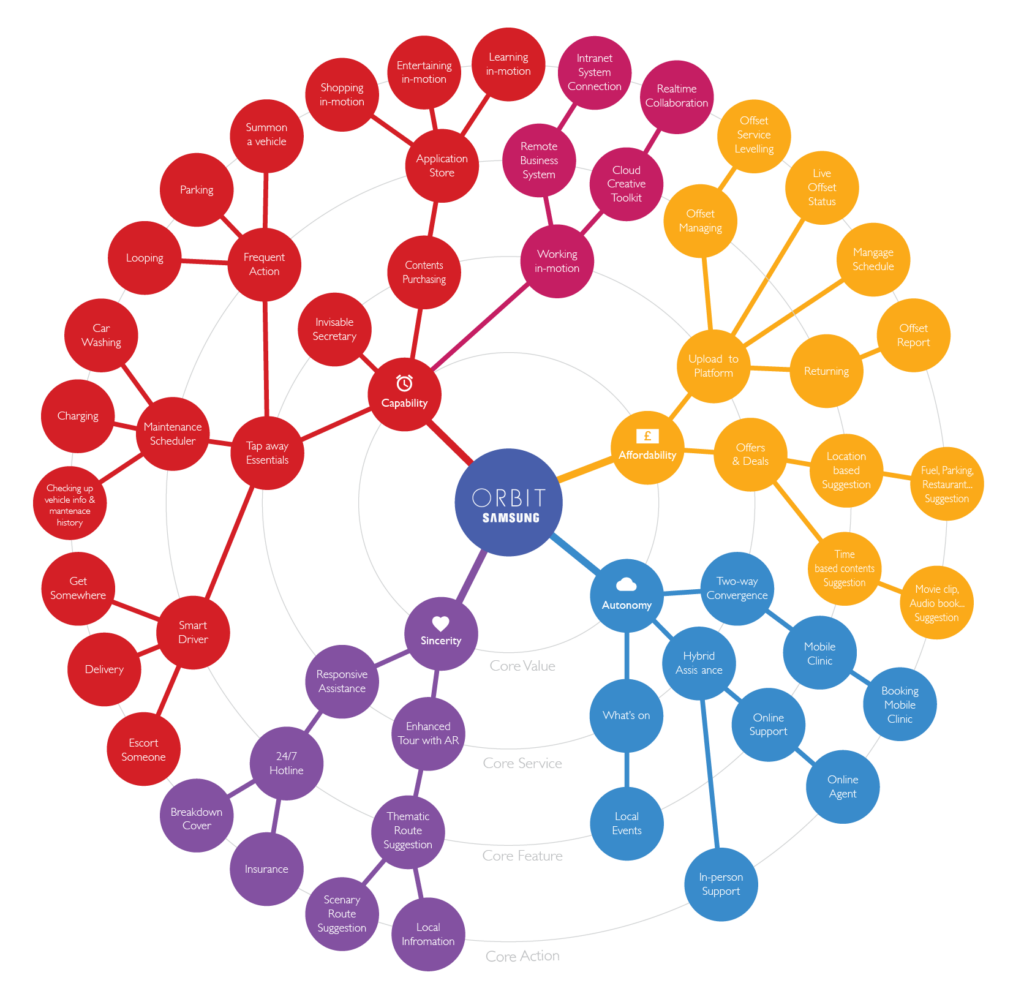
The structure shows the key value that Orbit generates as well as service, feature, and actions (inner circle to outer circle). With a set of services based on people’s prime needs, the Orbit aims to empower users’ life and mobility by providing capability, affordability, autonomy and authenticity. Collaborating with other key partners is highly crucial to make service more valuable to both end-users and partners. Partnered with 3rd party service providers, Orbit is able to deliver the holistic service and experience to users while enabling other partners to be a part of the ecosystem. It is a platform where partners sell their competitive service and products.